
Crete is the largest and most storied island in Greece, a sun-drenched land stretching across the southern Mediterranean where ancient myth bleeds into everyday life. This is where Zeus himself was said to have been born in the shadowy depths of the Dikteon Cave, and where Europe's first great civilisation -- the Minoans -- built palaces of astonishing sophistication over four thousand years ago. To visit Crete is to walk on ground that has shaped the course of Western history.
Yet Crete is far more than a museum of the ancient world. It is a living, breathing island of staggering contrasts: snow-capped mountains that plunge into cerulean seas, wild gorges carved by millennia of rainfall, pink-sand beaches that shimmer at the edge of Africa-bound waters, and hillside villages where the rhythms of Cretan culture -- the music, the food, the fierce hospitality -- remain beautifully unchanged. No other destination in the Mediterranean offers this depth and variety in a single place.
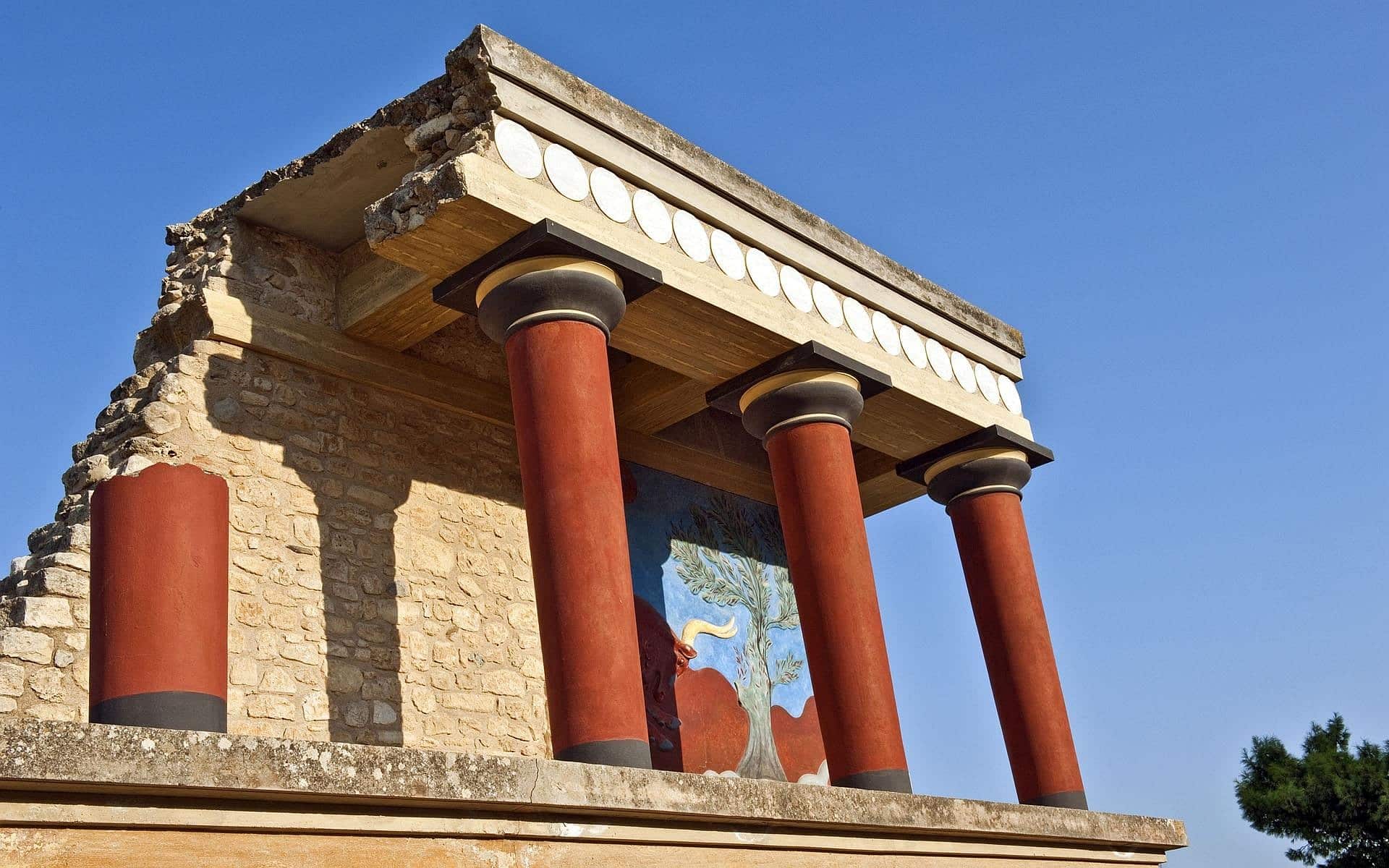
The story of Crete begins around 2700 BCE with the rise of Minoan civilization, a culture so advanced that it astonished the ancient world. At Knossos, just south of Heraklion, you can still walk the corridors of the great Minoan palace -- a labyrinth of throne rooms, lustral basins, and vivid frescoes depicting dolphins, bull-leapers, and priestesses. The scale and artistry are breathtaking, a window into a society that mastered maritime trade, devised Europe's earliest writing systems, and built multi-storey structures with running water centuries before classical Athens.
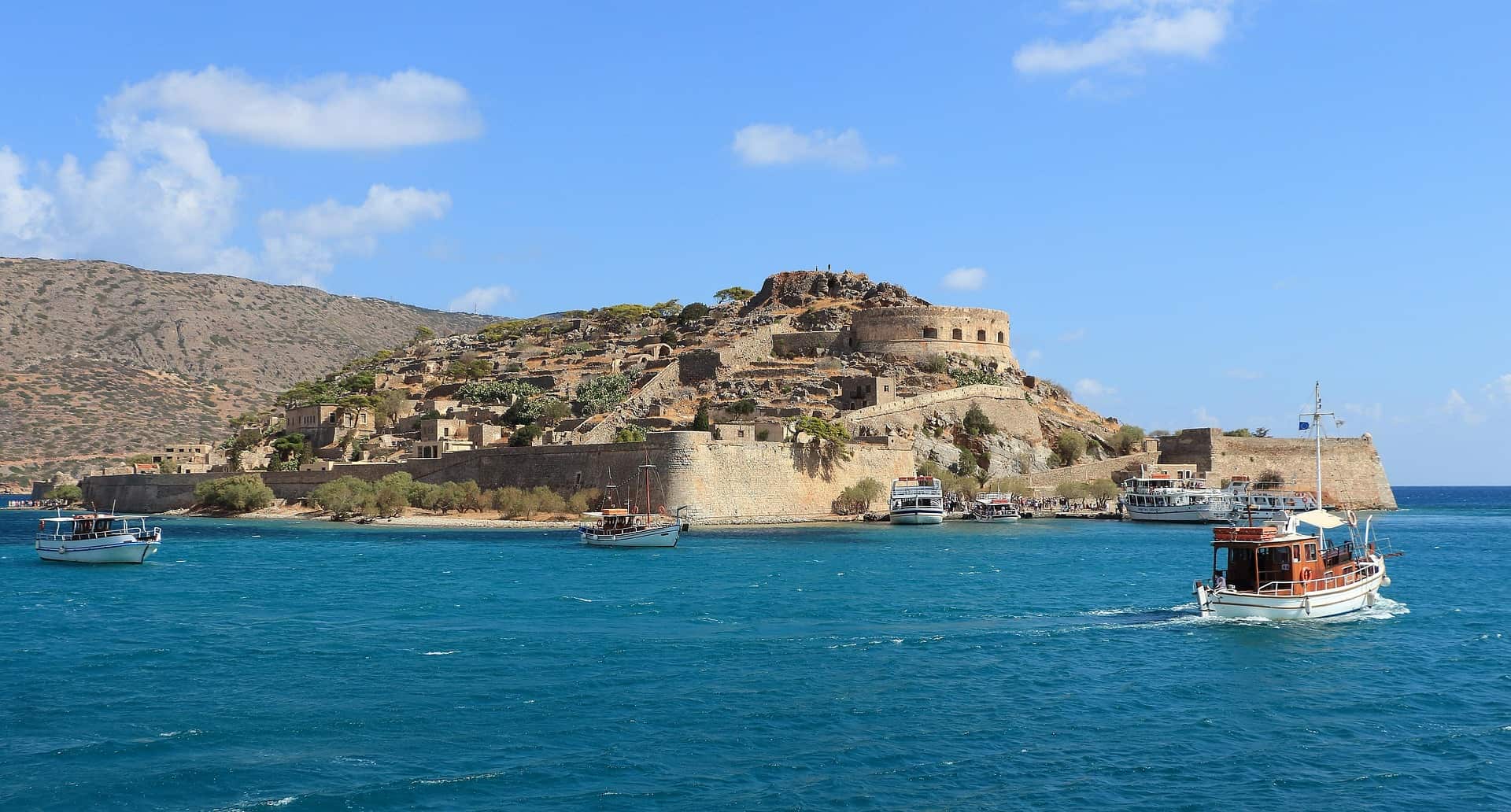
The centuries that followed wove layer upon layer of history into Crete's fabric. Venetian rule, lasting over four hundred years, gifted the island its elegant harbour fortresses, ornate fountains, and the magnificent walled city of Heraklion. The Ottoman period brought domed mosques, hammams, and aromatic bazaars that still perfume the narrow streets of Chania and Rethymno. Walk through these old towns today and you feel the presence of every civilisation that called this island home -- Greek, Roman, Byzantine, Venetian, Ottoman -- each one absorbed into the resilient Cretan character rather than erased by it.
Crete's natural grandeur is enough to make even the most seasoned traveller pause in wonder. The White Mountains, or Lefka Ori, rise over 2,400 metres in the west, their peaks dusted with snow well into spring while the coastline below basks in warm sunshine. Carved into their flanks is the Samaria Gorge, one of Europe's longest canyons -- a sixteen-kilometre descent through towering rock walls, ancient cypress forests, and a silence broken only by the call of Bonelli's eagles circling overhead.
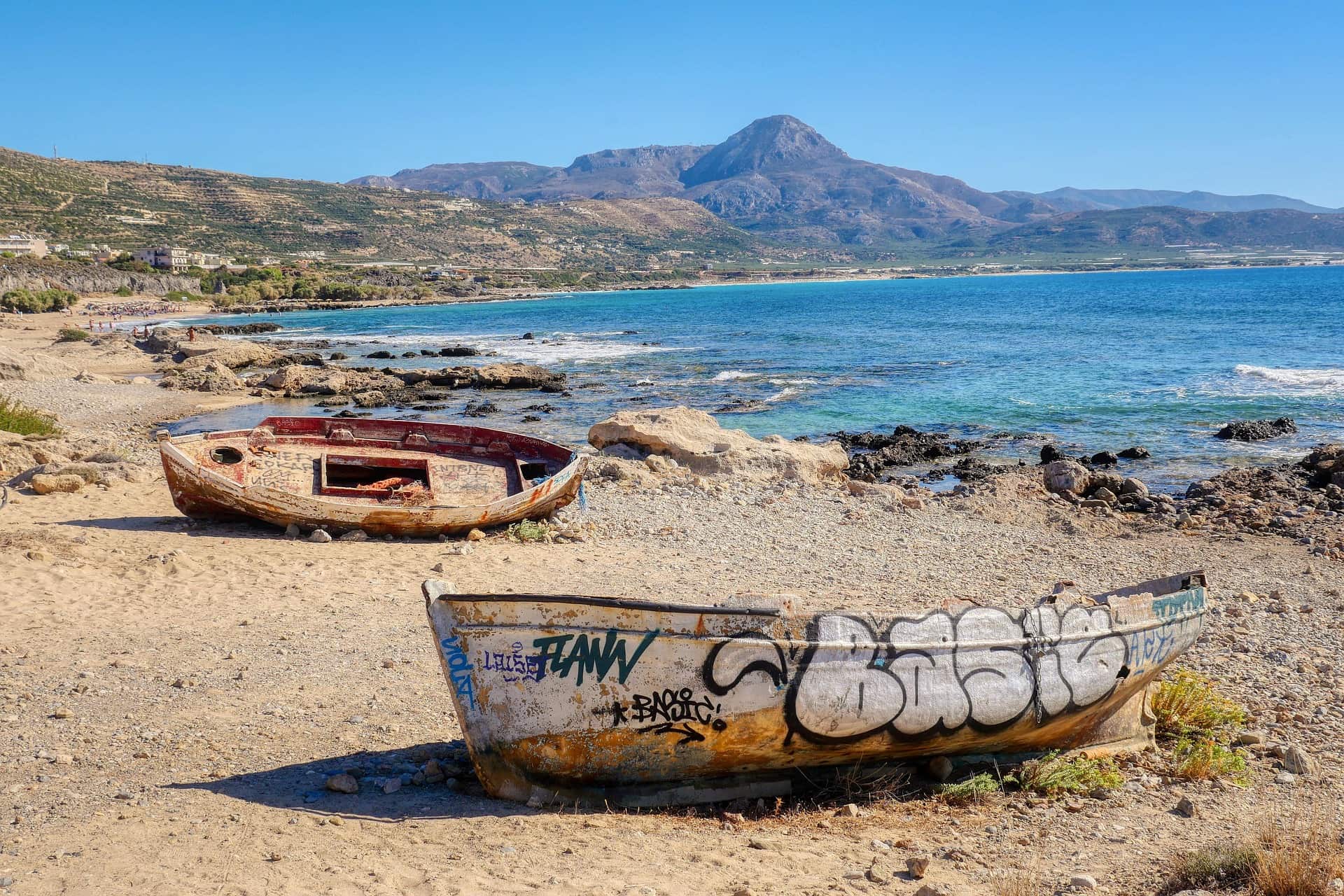
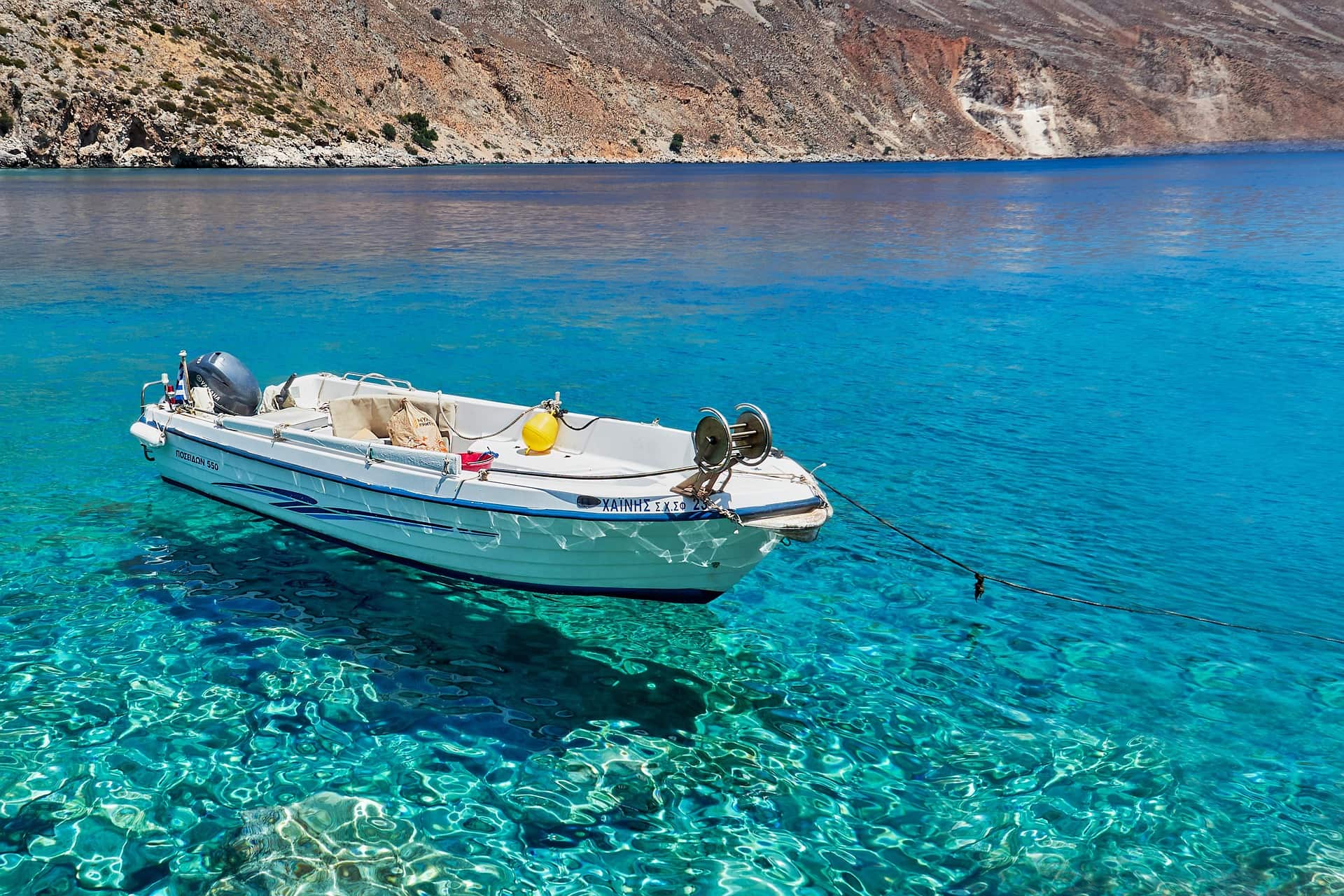
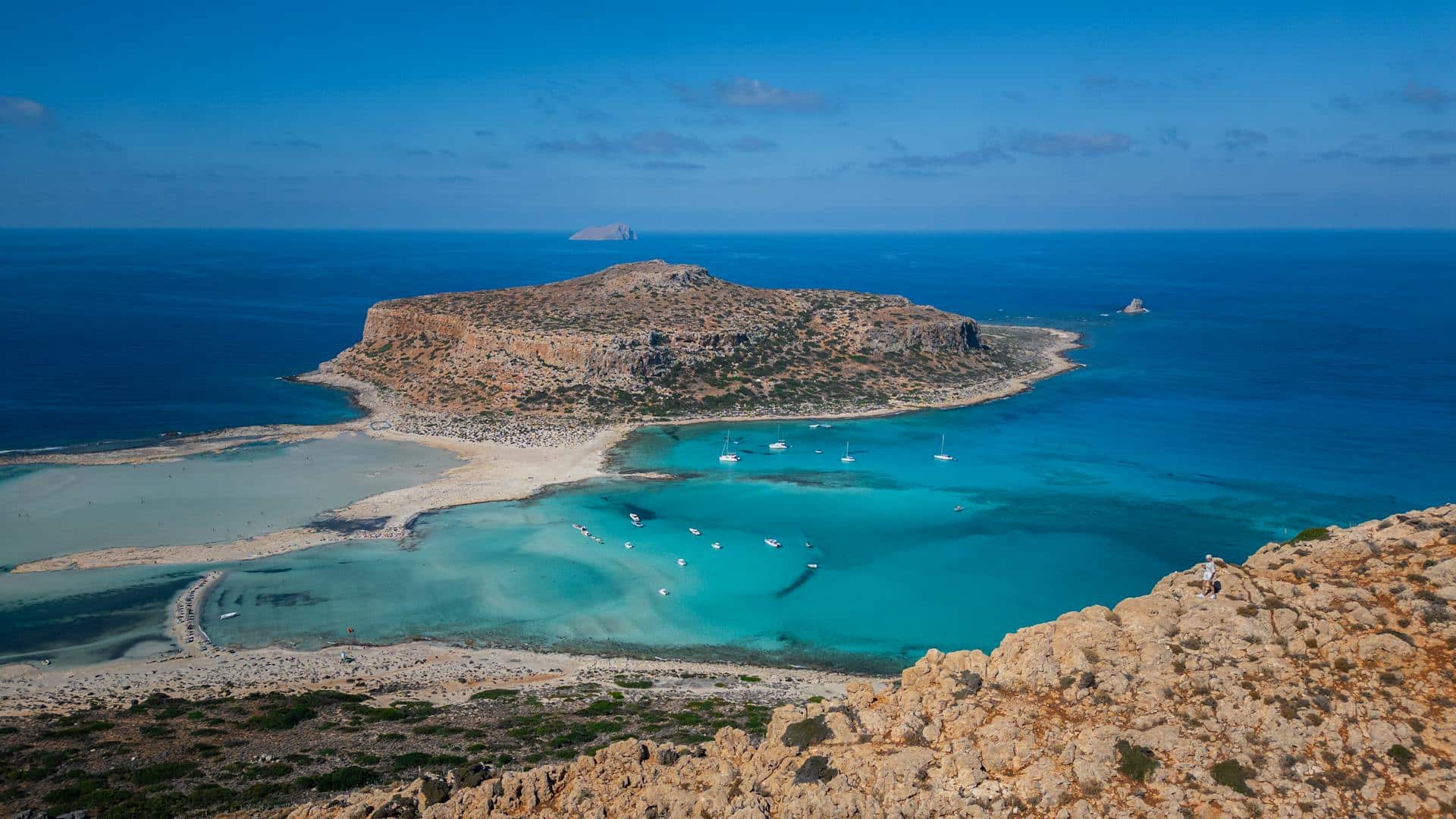
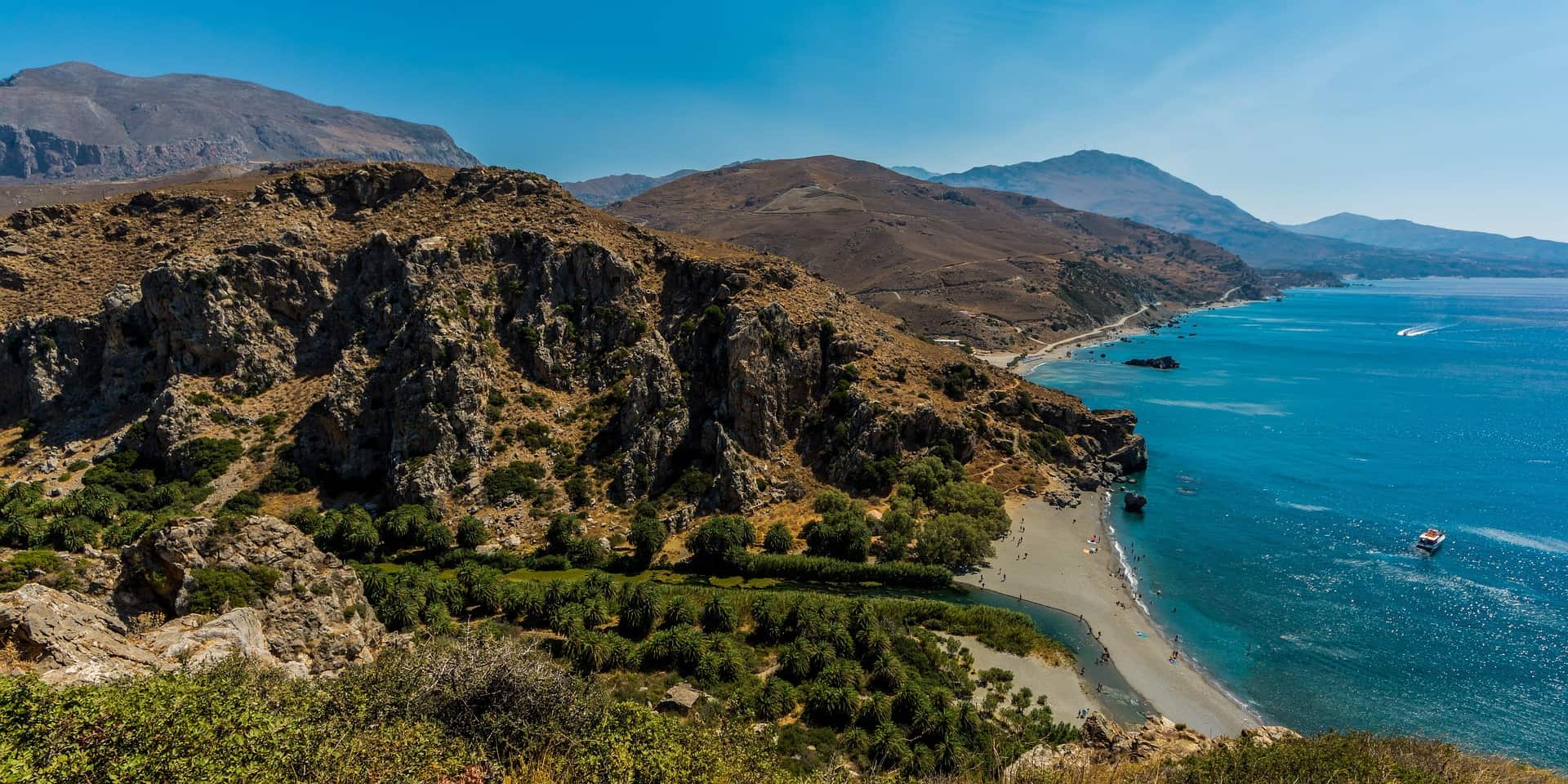
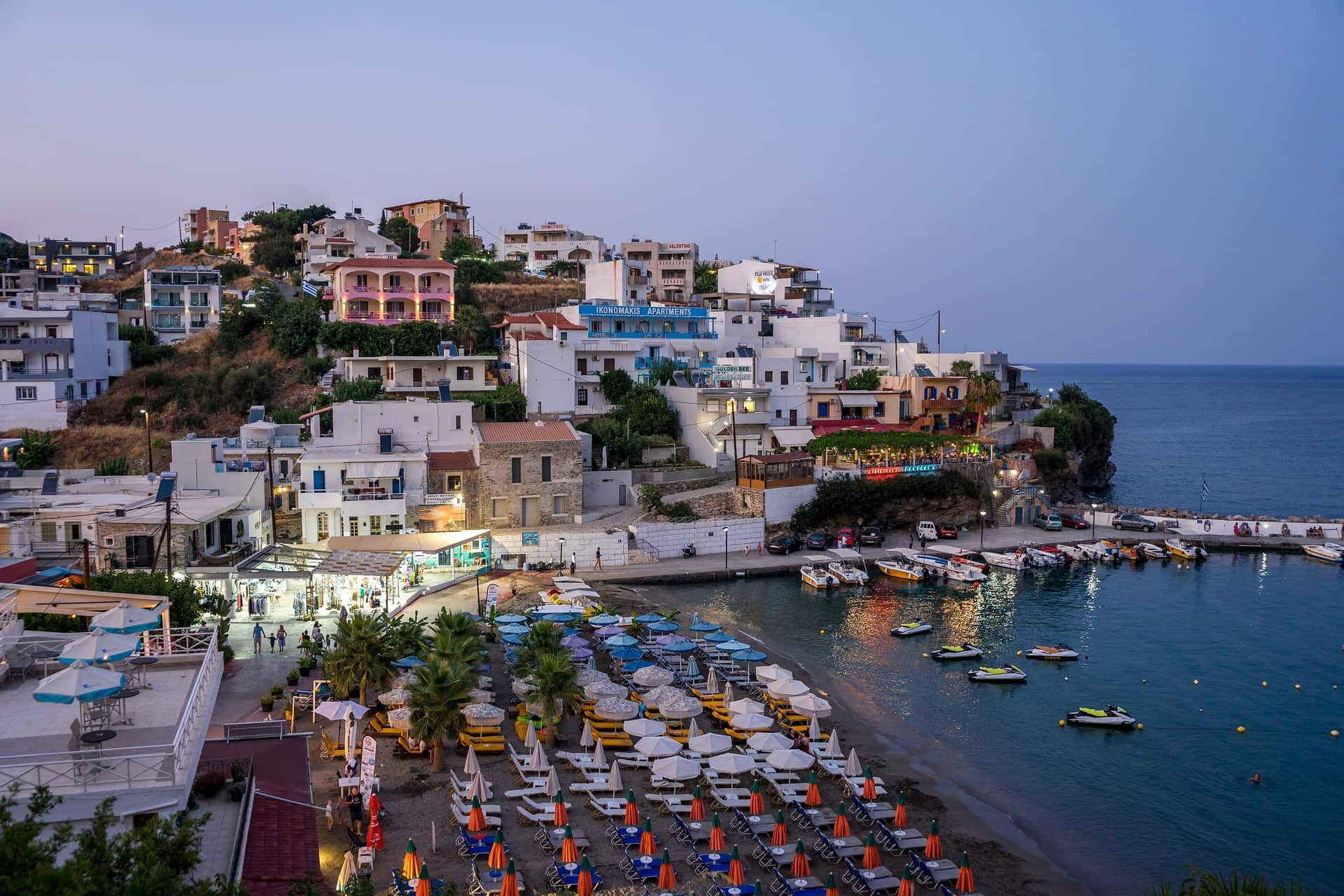
And then there are the Crete beaches -- over a thousand kilometres of coastline ranging from the famous to the forgotten. Balos lagoon, where three shades of turquoise meet a crescent of white sand. Elafonissi, its shoreline blushed pink by crushed coral shells. Preveli, where a palm-lined river spills into the Libyan Sea. Vai, home to the largest natural palm forest in Europe. Whether you crave the lively energy of an organised beach near Heraklion or the solitude of a rocky cove on the southern coast reachable only by boat, Crete delivers a shoreline for every mood and every dream.
To sit at a Cretan table is to taste the island itself. Cretan cuisine is built on ingredients drawn straight from the land -- peppery extra virgin olive oil pressed from groves that have stood for centuries, wild greens foraged from mountain slopes at dawn, tangy graviera and creamy mizithra cheeses made from the milk of goats that graze on herb-scented hillsides. This is not just food; it is a living tradition recognised worldwide as one of the healthiest diets on earth.
Begin with dakos -- a barley rusk soaked in olive oil and topped with ripe tomato, crumbled cheese, and a scatter of capers -- and you will understand why Cretans treat every meal as a celebration. Taste lamb slow-roasted with wild rosemary in a village oven, savour kalitsounia pastries filled with sweet cheese and drizzled with local honey, and end the evening as Cretans do: with a chilled glass of raki poured generously by your host, accompanied by fruit from their garden and stories that last well past midnight. In Crete, food is never just sustenance -- it is the island's most eloquent expression of love.
There is a word in Greek that has no true equivalent in any other language: philoxenia, the sacred love of the stranger. Nowhere in Greece is this tradition felt more deeply than on Crete. Step into a mountain village, and you may find yourself invited to a family table before you have even introduced yourself. Pause at a roadside kafenio, and the owner will set down a glass of raki and a plate of olives with a smile that says you are not a customer -- you are a guest.
This generosity of spirit is woven into the very identity of Cretan culture. It is the shepherd who insists you try his cheese, the grandmother who sends you home with a jar of her quince preserves, the fisherman who tells you exactly where to watch the sunset. It is the reason that people who visit Crete once almost always come back -- because the island does not just show you beautiful things; it makes you feel that you belong. More than the Minoan palaces, more than the legendary beaches, it is the people of Crete who leave the deepest mark on your heart.
From the ancient wonders of Knossos to the turquoise waters of Balos, our Crete tours bring this extraordinary island to life. Let our local guides show you the way.